Walking into your first notary appointment can feel unfamiliar or intimidating — especially if you’ve never dealt with legal documents before. But the truth is, a notary visit is a straightforward process when you have the right documents and identification prepared ahead of time.
Whether you’re having a Consent to Travel Letter notarized, a real estate document signed, a Sworn Statement witnessed, or a certified copy produced for immigration processing, proper preparation ensures your appointment is quick, efficient, and stress-free.
Many people arrive at a notary office thinking the notary will “handle the rest” or provide missing documents. In reality, a notary is there to verify identity, witness signatures, and certify documents, not to supply content. This guide will walk you through exactly what to bring, what to expect, and how to avoid common mistakes.
Understanding What a Notary Does (and Doesn’t Do)
Before going into the preparation checklist, it’s helpful to understand the role of a Notary Public. A notary is not there to judge the content of your document or offer legal advice. Their responsibility is to confirm your identity, verify your willingness to sign, and witness your signature.
A notary does NOT:
- Review your document for accuracy of content
- Provide legal advice or strategy
- Supply wording or edit the document
- Determine whether your factual claims are true
Understanding this helps you arrive prepared and avoid unnecessary frustration on the day of your appointment.
What to Bring to the Appointment: The Essential Checklist
For your first notary appointment, preparation is key. Here’s what you absolutely must bring:
1. The Original Document(s)
Always bring the original document(s) you want notarized. If the notary is creating a Certified True Copy, they must see the original to verify it.
For example, if you need a certified copy of a passport, PR card, diploma, birth certificate, or driver’s license, the physical original must be present. Never rely on digital images or scans on your phone; a notary cannot legally certify a copy from a digital screen.
2. Government-Issued Identification
The notary must verify that you are who you claim to be. Acceptable ID must be valid (not expired), issued by a government authority, and include a photo and signature.
Commonly accepted forms of ID include:
- Passport (Canadian or Foreign)
- Driver’s license
- Permanent Resident (PR) Card
- Ontario Photo Card
Tip: When in doubt, bring two forms of identification to be safe.
3. The Document Fully Completed — But Unsigned
Your document must be completely filled out before the appointment, except for the signature line.
A common mistake: People arrive with blank or partially filled forms expecting to complete them in front of the notary. While this may seem logical, the notary cannot tell you what to write. They also cannot notarize documents containing large blank fields or missing required data.
Rule of thumb: Fill out everything in advance. Leave only the signature and date fields blank—those must be witnessed live.
4. Any Supporting Documentation
Sometimes a notarized document relies on supplementary documents. For example:
- A Visa Invitation Letter may require proof of your status in Canada.
- An affidavit may require attached “exhibits” or evidence.
- A name change declaration may require a marriage certificate.
Bring anything that verifies or clarifies what is stated in your main document.
What NOT to Do Before Your Notary Visit
Just as important as preparation is avoiding common mistakes. First-time clients often mistakenly:
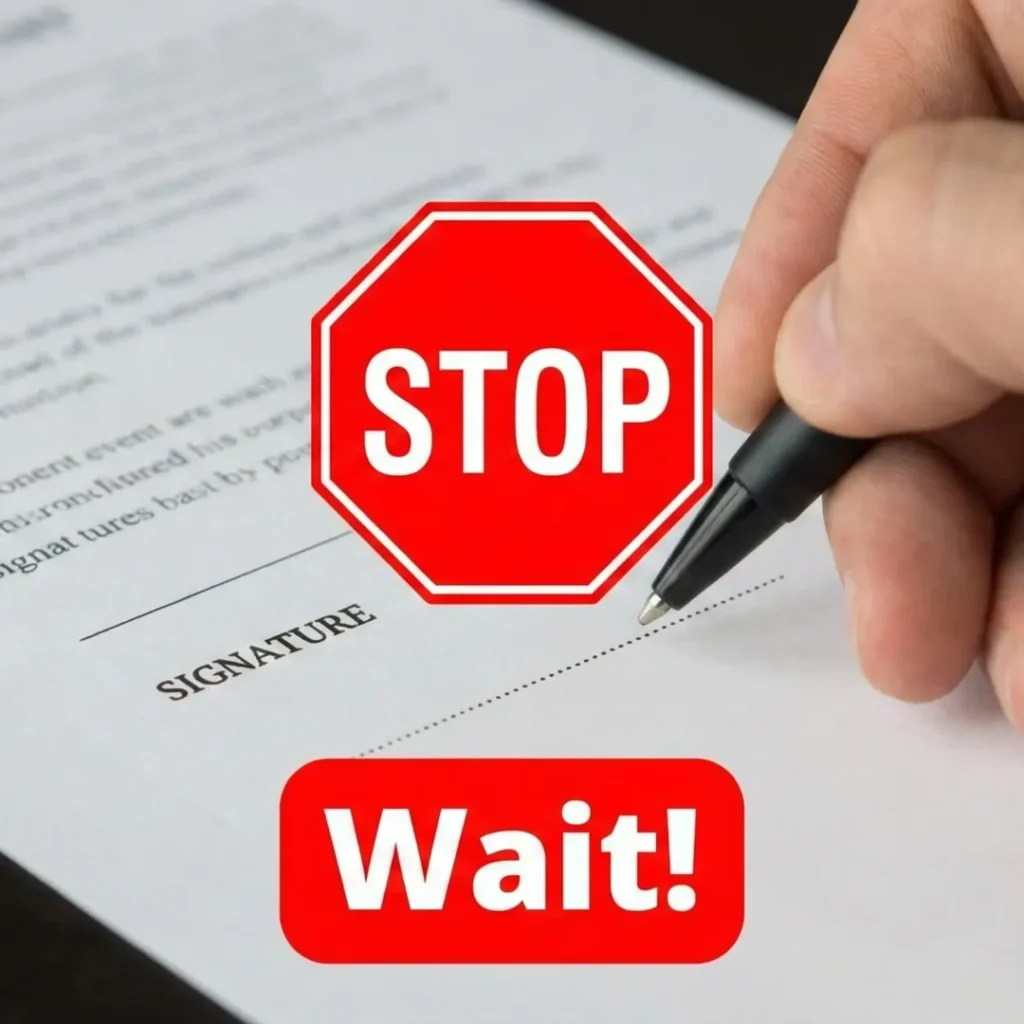
- Sign the document beforehand. (This is the #1 error!)
- Bring an incomplete document with blank spaces.
- Attempt to use expired ID.
- Expect the notary to draft or rewrite the document.
- Bring photocopies or scans instead of original documents.
Important: If two people must sign a document, both signers must be physically present and provide their own valid IDs. You cannot sign on someone else’s behalf unless you have a specific Power of Attorney.
What Happens During the Appointment
Your first notary visit is typically fast — often under 15 minutes — if you are prepared. Here’s what to expect:
- Identity Verification: The notary confirms your identity using your photo ID.
- Document Review: The notary checks the document format ensuring it is complete and ready to sign.
- Signing: You sign the document in front of the notary.
- Seal and Signature: The notary applies their official seal and signature, legally validating the document.
Common Situations Where People Feel Uncertain
What if the document is for another country?
Some documents require additional authentication after notarization, such as Apostille Services. This is common for international employment or property transactions. If your document is going to a country that is part of the Hague Convention, simply notarizing it might not be enough.
What if I can’t leave my house?
If you cannot travel to an office, you have options. You can book a Mobile Notary to come to your location, or if the document allows, use our Online Commissioning service to sign via video call.
What if the document is in another language?
If your document is not in English or French, you may need Translation Services before it can be notarized, or you may need a notary who speaks that specific language. Always ask ahead.
The Importance of “Signing Willingly”
When you sign a document before a notary, you are legally affirming: “I understand this document and I am signing it willingly.”
The notary will typically ask you:
- Do you understand the contents?
- Are you signing voluntarily?
- Is anyone pressuring you to sign?
It is your responsibility to understand your document before arriving. For complex legal agreements, consider consulting a lawyer beforehand.
Ready for Your First Notary Appointment?
If you’re getting ready for your first notary appointment and want to make sure everything is handled correctly, Canada Notary can assist you every step of the way. Whether you’re notarizing personal documents, international papers, or immigration forms, professional guidance ensures the process goes smoothly.
📞 Contact us today at +1 416 840 6952 to ask questions or book your appointment online.